Hey there! I’m a supplier of gas plants, and let me tell you, these things aren’t just big metal structures churning out gas. They’ve got a huge cultural impact, and that’s what I wanna chat about today. Gas Plant
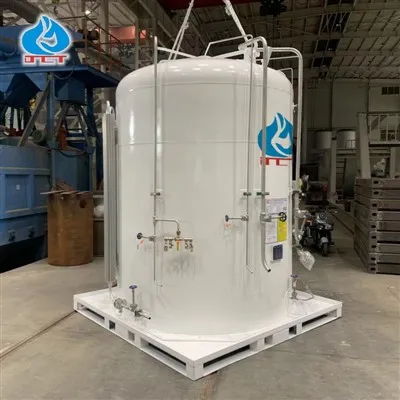
First off, let’s talk about how gas plants are a part of the local identity in many places. In small towns where a gas plant is the major employer, it’s not just a workplace; it’s a source of pride. People grow up with the plant in the background, and it becomes a symbol of their community’s resilience and hard work. For instance, in some areas, families have multiple generations working at the gas plant. It’s like a tradition passed down, much like a family recipe. The stories of long – hours shifts, safety achievements, and the occasional plant – wide celebrations become a part of the town’s folklore. Kids grow up hearing tales of their grandfathers and fathers working on the plant floors, and it instills a sense of belonging and purpose.
But it’s not all about local pride. Gas plants also bring in a diverse workforce. People from different parts of the country, or even the world, come to work at these plants. This influx of different cultures leads to a melting pot of ideas, traditions, and cuisines. You might find a Mexican worker sharing his grandma’s tamale recipe, or an African worker teaching others about the significance of certain tribal festivals. This cultural exchange enriches the local area, making it a more vibrant and open – minded place. In the break rooms of these gas plants, you can hear conversations in multiple languages, and there are often potlucks where everyone brings a dish from their home country. It’s a beautiful thing to see how people come together and share their cultural heritage.
On the flip side, gas plants can also cause some cultural tension. There are concerns about the environmental impact of these plants. Some local communities, especially those with a strong connection to nature and traditional ways of life, worry that the gas plant might be harming the land, water, and air. For example, Native American tribes in some regions have long – standing cultural and spiritual ties to the land. They believe that the land is sacred and that any form of pollution can disrupt the balance of nature. When a gas plant is set up near their territories, it can lead to protests and legal battles. These tribes see the gas plant as a threat to their cultural values and way of life, and rightfully so. They have witnessed the degradation of natural resources that are deeply intertwined with their religious ceremonies and daily survival.
Another aspect is the change in the social fabric of the area. With the arrival of a gas plant, there’s often an increase in population. This can put pressure on local services like schools, hospitals, and housing. The sudden influx of workers can lead to a rise in housing prices, making it difficult for long – term residents to afford to live in their own neighborhoods. This can create a sense of resentment among the locals towards the new workers. It’s a complex situation where the economic benefits of the gas plant are pitted against the cultural and social well – being of the existing community.
Now, let’s look at how gas plants influence art and media. In some cases, gas plants have become a subject of artistic expression. Painters might capture the industrial landscape of the plant, with its towering chimneys and intricate pipelines, in their canvases. Photographers also find the gas plant a fascinating subject, especially during different times of the day when the play of light and shadow creates dramatic effects. These artworks not only showcase the physical presence of the gas plant but also the emotions and ideas associated with it. In literature, too, gas plants can be used as a backdrop for stories about human struggle, environmental concerns, and the relationship between industry and nature.
In the realm of popular culture, gas plants sometimes make appearances in movies and TV shows. They’re often portrayed as either symbols of progress and modernity or as sources of danger and environmental disaster. For example, in some post – apocalyptic movies, gas plants are shown as abandoned and decaying structures, a reminder of a once – prosperous but ultimately destructive industrial age. These portrayals in popular culture can shape public perception of gas plants, either positively or negatively.
From an educational perspective, gas plants can be a valuable resource. They offer hands – on learning opportunities for students studying engineering, environmental science, and other related fields. Many gas plants have programs where they invite students for tours, giving them a chance to see how the plant operates, learn about safety protocols, and understand the science behind gas production. This kind of real – world experience can inspire the next generation of scientists and engineers. It can also help students understand the complex relationship between industry and the environment, and how they can work towards more sustainable solutions.
As a gas plant supplier, I’m well aware of these cultural impacts. I believe that it’s our responsibility to address the concerns of local communities while also promoting the positive aspects of gas plants. We need to work closely with local tribes and environmental groups to ensure that the plant operates in an environmentally friendly way. We can also support local cultural events and initiatives to foster a sense of community and acceptance.
If you’re in the market for a gas plant, or if you’re just curious to learn more about what we can offer, I’d love to have a chat. Our gas plants are designed with the latest technology to ensure maximum efficiency and minimum environmental impact. We also offer comprehensive after – sales support to make sure that your plant runs smoothly.
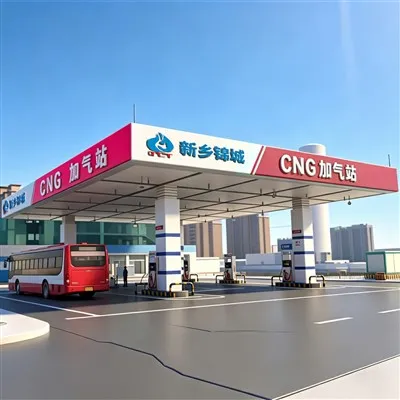
So, don’t hesitate to reach out. Let’s start a conversation about how we can meet your gas plant needs and contribute positively to the cultural and social fabric of your area.
Specialty Gases References
- Local community studies on the impact of gas plants in small towns.
- Academic research on the relationship between industry and cultural change.
- Reports on the interaction between gas plants and Native American tribes.
Xinxiang Jincheng Technology Co., Ltd.
As one of the most professional gas plant manufacturers in China, we’re featured by quality products and good service. Please rest assured to buy customized gas plant made in China here from our factory. For pricelist, contact us now.
Address: Industrial Park, Fengquan District, Xinxiang City, Henan Province, China
E-mail: cncd05@cryocontainer.com
WebSite: https://www.jinchengspecialgas.com/
