Ultra Fabrics are renowned in the textile industry for their high – quality, durability, and aesthetic appeal. As a supplier of Ultra Fabrics, one question that frequently arises from my clients is whether these fabrics are flame – retardant. In this blog, we will delve into the science behind this query, exploring the properties of Ultra Fabrics and their performance in terms of fire safety. Ultra Fabrics

Understanding Flame – Retardant Fabrics
Before we discuss Ultra Fabrics specifically, it’s essential to have a clear understanding of what flame – retardant fabrics are. Flame – retardant materials are designed to resist the spread of fire. They are treated with chemicals or are made from inherently fire – resistant fibers that can significantly reduce the risk of a fire starting and spreading rapidly. These fabrics are crucial in various settings, such as residential and commercial interiors, transportation (like airplanes, trains, and buses), and industrial environments.
The Composition of Ultra Fabrics
Ultra Fabrics are made up of a blend of different fibers and polymers, which vary depending on the specific type and application of the fabric. Common components include polyester, nylon, and other synthetic fibers. These fibers are known for their strength, durability, and resistance to wear and tear. The manufacturing process of Ultra Fabrics involves precise engineering to ensure high – quality and consistent performance.
Polyester is one of the most widely used fibers in Ultra Fabrics. It is a synthetic polymer that is inherently resistant to shrinking and stretching, and it also has some level of natural flame – resistance. Polyester fibers have a high melting point, which means that they tend to melt and drip rather than burn when exposed to a flame. This characteristic can reduce the likelihood of a fire spreading quickly.
Nylon is another common component in Ultra Fabrics. Similar to polyester, nylon has a relatively high melting point. When exposed to fire, nylon melts, which can form a protective barrier that slows down the spread of the flames. Additionally, nylons can be treated with additives to enhance their flame – retardant properties.
Flame – Retardant Treatments in Ultra Fabrics
While some of the fibers used in Ultra Fabrics have natural flame – resistant properties, additional treatments can be applied to enhance their fire safety performance. There are two main types of flame – retardant treatments: topical and inherent.
Topical treatments are applied to the surface of the fabric after it has been manufactured. These treatments typically involve the use of chemicals such as phosphorus – based compounds, brominated compounds, or ammonium salts. When a fabric treated with these chemicals is exposed to fire, the chemicals react to form a protective layer that can either cool the fabric or prevent the release of flammable gases.
Inherent flame – retardant treatments, on the other hand, are incorporated into the fibers during the manufacturing process. This means that the flame – retardant properties are an integral part of the fiber itself, rather than just a surface treatment. Fabrics with inherent flame – retardant properties tend to be more durable and long – lasting in terms of their fire – resistant capabilities compared to those with topical treatments.
Ultra Fabrics can undergo both types of treatments, depending on the specific requirements of the application. For example, in environments where high – level fire safety is crucial, such as in public buildings or transportation vehicles, inherent flame – retardant treatments may be preferred. In other cases, where cost or specific aesthetic requirements are more important, topical treatments may be used.
Testing and Certification of Ultra Fabrics for Flame Retardancy
To ensure the reliability of Ultra Fabrics’ flame – retardant properties, they are subjected to rigorous testing procedures. Various international standards and certifications exist to evaluate the fire performance of fabrics.
One of the most well – known standards is the NFPA 701 test, which is used to evaluate the flammability of textiles. This test involves exposing the fabric to a small flame for a specified period and observing its behavior, such as whether it burns, smolders, or ignites by itself after the flame is removed. Ultra Fabrics that pass the NFPA 701 test can be considered to have a certain level of flame – retardant performance.
Another important standard is the California Technical Bulletin 117 (TB 117), which sets requirements for the flammability of upholstered furniture. This standard focuses on the interaction between the fabric and the underlying cushioning materials. Ultra Fabrics that meet the requirements of TB 117 are suitable for use in upholstered furniture, providing an additional layer of fire safety in residential and commercial settings.
In Europe, the EN 13501 – 1 standard is used to classify the fire performance of construction products, including textiles. Fabrics are tested for their ignitability, flame spread, heat release, and production of smoke and toxic gases. Ultra Fabrics that comply with this standard can be used in a wide range of European applications where fire safety is a concern.
Applications of Flame – Retardant Ultra Fabrics
The flame – retardant properties of Ultra Fabrics make them suitable for a variety of applications.
In the hospitality industry, Ultra Fabrics are used in hotels, restaurants, and bars. Upholstered furniture, curtains, and drapes made from flame – retardant Ultra Fabrics can enhance the safety of guests and staff. In these public spaces, the risk of fire is a significant concern, and using flame – retardant materials can help prevent the rapid spread of fire in case of an emergency.
In the transportation sector, Ultra Fabrics are used in airplanes, trains, and buses. The tight quarters and large number of passengers in these vehicles make fire safety a top priority. Flame – retardant Ultra Fabrics are used for seat covers, wall panels, and other interior components to meet strict safety regulations.
In healthcare facilities, such as hospitals and nursing homes, Ultra Fabrics with flame – retardant properties are also crucial. They are used in patient rooms, waiting areas, and other areas of the facility. The fire safety of these buildings is essential to protect the vulnerable patients and staff.
Advantages of Using Flame – Retardant Ultra Fabrics
There are several advantages to using flame – retardant Ultra Fabrics.
Firstly, they provide an added layer of safety. In the event of a fire, flame – retardant fabrics can slow down the spread of the flames, giving people more time to evacuate and reducing the damage caused by the fire.
Secondly, flame – retardant Ultra Fabrics maintain their performance and appearance over time. Unlike some other flame – retardant materials that may lose their effectiveness after repeated washings or exposure to the elements, Ultra Fabrics are designed to be durable. The high – quality fibers and treatments used in their manufacturing ensure that the flame – retardant properties remain intact for a long period.
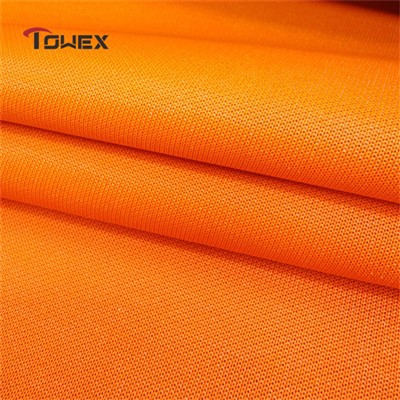
Thirdly, Ultra Fabrics offer a wide range of designs and colors. This means that you don’t have to sacrifice aesthetics for fire safety. Whether you are looking for a modern, minimalist look or a more traditional, richly patterned fabric, there is an Ultra Fabric option available that meets your design requirements while also providing flame – retardant protection.
Contact for Purchase and Collaboration
UHMWPE Raw Materials If you are interested in purchasing Ultra Fabrics for your project, whether it’s for the hospitality, transportation, healthcare, or any other industry, I would be more than happy to assist you. As a seasoned supplier of Ultra Fabrics, I have in – depth knowledge of the different types of fabrics available, their flame – retardant properties, and how they can best suit your specific needs. We can discuss the most suitable fabric options based on your project’s requirements and budget. Please feel free to reach out to me for more information and to start a procurement conversation.
References
- Cardon, L., & Kiekens, P. (Eds.). (2015). Flame Retardancy of Textiles. Woodhead Publishing.
- Horrocks, A. R., & Price, D. (2001). Handbook of Flame Retardancy. The Textile Institute.
- Wang, X., & Hu, J. (2010). Flame – retardant treatments for polyesters and polyester/cotton blends: an overview. Journal of Industrial and Engineering Chemistry, 16(6), 731 – 736.
Jiaxing Towex New Materials Co., Ltd.
Jiaxing Towex New Materials Co., Ltd. is one of the most experienced ultra fabrics manufacturers and suppliers in China, also supports customized service with low price. Please feel free to buy bulk high quality ultra fabrics in stock here from our factory. Contact us for quotation.
Address: Building 1666, Wuzhen High-tech Zone, Tongxiang City, Zhejiang Province
E-mail: sales@towextech.com
WebSite: https://www.topuhmwpe.com/
