Shifting gears in a manual gearbox is an art and a science that combines mechanical understanding with practical skill. As a seasoned supplier of high – quality gearboxes, I’ve witnessed firsthand the importance of proper gear – shifting techniques both for the performance of the vehicle and the longevity of the gearbox itself. Gearbox

The Basics of a Manual Gearbox
Before delving into the process of shifting gears, it’s essential to understand the fundamental components of a manual gearbox. A manual gearbox, also known as a stick – shift, consists of a series of gears of different sizes that mesh together to transfer power from the engine to the wheels. The driver uses a gear lever to select the appropriate gear ratio, and a clutch pedal to disengage and engage the engine from the gearbox.
The gears in a manual gearbox are designed to provide different levels of torque and speed. Lower gears, such as first and second, offer high torque but lower speed, which is ideal for starting from a standstill or climbing steep hills. Higher gears, like fifth or sixth in a typical six – speed gearbox, provide lower torque but higher speed, suitable for cruising on highways.
Pre – Shift Preparation
Before attempting to shift gears, there are a few preparatory steps that every driver should take. First and foremost, ensure that your vehicle is in good working condition, especially the clutch and the gearbox. A well – maintained clutch is crucial for smooth gear changes. If you notice any signs of clutch slippage, such as a high – revving engine without a corresponding increase in speed, it’s time to have it checked.
Adjust your seat and mirrors to a comfortable position. You need to have full control over the clutch pedal, gear lever, and other controls. Also, make sure your hands are positioned correctly on the steering wheel. A common and safe hand position is the "9 and 3" position, where your left hand is at the 9 o’clock position and your right hand is at the 3 o’clock position on the steering wheel.
Starting the Shift
When starting the vehicle, the first gear is typically used. Press the clutch pedal all the way down to the floor with your left foot. This disengages the engine from the gearbox, allowing you to select a gear without causing damage to the gears. With the clutch fully depressed, move the gear lever into the first – gear position. Release the handbrake gradually.
To start moving, gently release the clutch pedal while simultaneously pressing the accelerator pedal with your right foot. This process requires a delicate balance. As you start to lift the clutch pedal, you’ll reach a point called the "bite point." At this point, the engine and the gearbox start to engage, and you’ll feel the vehicle begin to move forward. Continue to release the clutch slowly while gradually increasing the pressure on the accelerator to maintain a smooth start.
Upshifting
Upshifting is the process of moving to a higher gear as the vehicle’s speed increases. The key to a smooth upshift is to match the engine speed with the speed of the gearbox. As you accelerate, the engine RPM (revolutions per minute) will increase. When the engine reaches the appropriate RPM for the next gear, it’s time to upshift.
For most vehicles, the ideal RPM range for upshifting is between 2000 – 3000 RPM. However, this can vary depending on the vehicle’s make and model, as well as the driving conditions. When you’re ready to upshift, follow these steps:
- Press the clutch pedal all the way down. This disengages the engine from the gearbox, allowing you to move the gear lever without grinding the gears.
- Move the gear lever smoothly into the next – higher gear position. For example, if you’re in second gear, move the lever into the third – gear position.
- As you release the clutch pedal, gradually reduce the pressure on the accelerator pedal. This helps to match the engine speed with the new gear ratio. If you release the clutch too quickly, the vehicle may jerk, and if you don’t reduce the accelerator pressure, the engine may over – rev.
Downshifting
Downshifting is used when you need to slow down the vehicle or when you need more power, such as when climbing a hill. The process of downshifting is a bit more complex than upshifting because you need to match the higher engine speed required for the lower gear with the vehicle’s current speed.
- Press the brake pedal to slow down the vehicle to the appropriate speed for the lower gear.
- Once the vehicle has reached the right speed, press the clutch pedal all the way down.
- While the clutch is depressed, rev the engine slightly to increase the RPM to match the speed of the lower gear. This technique is called "blipping" the throttle. For example, if you’re downshifting from fourth to third gear, you need to increase the engine RPM to match the speed at which the vehicle would be running in third gear.
- Move the gear lever into the lower – gear position.
- Slowly release the clutch pedal while gradually applying the accelerator to maintain a smooth transition.
Special Situations
Hill Starts: Starting on a hill can be challenging, especially in a manual gearbox vehicle. First, engage the handbrake to prevent the vehicle from rolling back. Depress the clutch pedal and select the first gear. Press the accelerator to increase the engine RPM slightly. As you release the clutch pedal to the bite point, you’ll feel the engine start to work against the handbrake. At this point, release the handbrake slowly while continuing to release the clutch and apply more accelerator to move forward.
Emergency Stops: In case of an emergency stop, it’s important to downshift quickly while braking to maintain control of the vehicle. Press the brake pedal hard to slow down. As the vehicle’s speed drops, quickly press the clutch pedal, downshift to a lower gear, and then continue to brake until the vehicle comes to a stop. This helps to keep the engine in the power band and provides better control over the vehicle.
The Role of a Quality Gearbox
As a gearbox supplier, I understand the significance of using a high – quality gearbox for a smooth and reliable gear – shifting experience. A well – designed gearbox will have precisely machined gears that mesh together smoothly, reducing wear and tear and minimizing the chances of gear grinding.
Our gearboxes are made from high – strength materials that can withstand the rigors of everyday driving. We use advanced manufacturing techniques to ensure the highest level of precision in gear production. This not only improves the performance of the vehicle but also enhances the overall driving experience.
Benefits of Proper Gear – Shifting
Proper gear – shifting techniques offer several benefits. Firstly, it improves fuel efficiency. By shifting gears at the right time, you can keep the engine running in its most efficient RPM range, reducing fuel consumption. Secondly, it extends the lifespan of the gearbox and other drivetrain components. Smooth gear changes minimize the stress on the gears, clutch, and other parts, reducing the likelihood of premature wear and costly repairs.
Finally, it enhances the overall safety and performance of the vehicle. A driver who can shift gears smoothly has better control over the vehicle, especially in challenging driving conditions such as steep hills or heavy traffic.
Contact for Gearbox Procurement
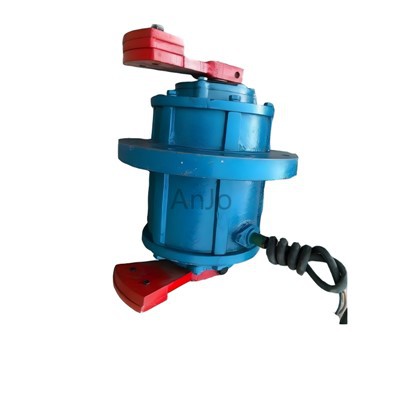
If you’re in the market for a reliable and high – performance manual gearbox, we’re here to help. Our team of experts can assist you in selecting the right gearbox for your specific needs, whether you’re a car manufacturer, a racing team, or an individual looking to upgrade your vehicle. We offer a wide range of gearboxes with different specifications and features to meet the diverse requirements of our customers.
Stainless Steel Motor Don’t hesitate to reach out to us to start a procurement discussion. We’re committed to providing you with the best products and services in the industry.
References
- "Automotive Transmission and Driveline Systems" by Douglas Crolla
- "Fundamentals of Vehicle Dynamics" by Thomas D. Gillespie
- "Manual Transmission Design and Analysis" by various automotive engineering textbooks in the industry.
Hangzhou ANG Drive Co., Ltd.
We’re well-known as one of the leading gearbox manufacturers and suppliers in China, also support custom service. Please feel free to wholesale high quality gearbox made in China here from our factory. Contact us for more details.
Address: No.185, Jincheng Rd., Hangzhou 311202, China
E-mail: export6@angdrive.com
WebSite: https://www.angdrive.com/
