If you’ve ever stood on a shop floor watching a CNC milling machine spin a block of aluminum into a custom aerospace bracket in half the time it would take a human machinist to draft and mill the same part, you know how far the technology has come since the first numerical control machines rolled out in the 1950s. But for too long, those machines were just: sets of motors, cutters, and rigid frames, following a G-code program fed in once at the start of a run, with little room to adapt to the tiny, unplanned glitches that pop up in metalworking—an unexpected burr in the workpiece, a slight wear in the cutter, a shift in ambient temperature that warps the material just enough to throw off tolerances. That’s where big data has redefined what a CNC milling machine can do, and as a supplier who’s worked side-by-side with machinists and shop managers for 12 years, I’ve seen first-hand how it turns a static, one-trick tool into a smart, adaptive partner that cuts waste, boosts output, and keeps quality consistent run after run. CNC Milling Machine
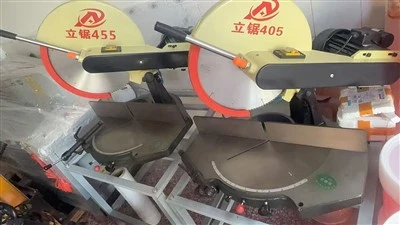
Let’s start with the basics: big data in this context isn’t just a buzzword for endless spreadsheets of numbers. It’s the steady stream of real-time and historical data that a modern CNC milling machine generates—from the thousands of RPMs of its spindle, to the force its cutter exerts on the workpiece, to the temperature of its linear rails, to the vibration patterns that signal a tool is dulling, to even the humidity in the shop where it’s running. A decade ago, most of that data was either ignored, or only checked once a day by a maintenance tech doing a routine inspection. Today, that same data is captured every millisecond, aggregated, and analyzed to solve problems no machinist or engineer could catch on their own, especially over long, 12-hour or unattended runs.
One of the biggest wins for our customers, especially small to mid-sized job shops that mill everything from custom mold inserts to automotive prototype parts, is predictive maintenance. I had a customer in Detroit last year who was losing an average of 18 hours a month to unplanned spindle failures—each one costing them a week of backlogged orders, late fees, and thousands in rushed replacement parts. We retrofitted three of our 5-axis CNC mills with data sensors that track spindle temperature, current draw, and vibration. Within three months, the machine’s data platform picked up a subtle shift in vibration frequency that didn’t trigger an error code, but still meant the spindle bearings were wearing 30% faster than normal. Our service team reached out before the bearing failed, did a quick off-shift replacement, and that shop cut unplanned downtime by 92% in the next quarter. That’s the power of big data here: instead of replacing parts on a fixed schedule (which often leads to changing parts that still have years of life left), you replace them exactly when they need it, eliminating unnecessary costs and avoiding catastrophic breakdowns.
Another area where big data has transformed CNC milling is process optimization. For years, machinists used rule-of-thumb: “use a ½-inch end mill at 1200 RPM for aluminum,” and adjusted from there based on what worked for their shop. But big data lets you turn every run into a lesson. Our team works with a large aerospace parts manufacturer that runs 24/7, milling titanium engine components— a material that’s tough on cutters and requires tolerances as tight as ±0.002 millimeters. We implemented a data analytics tool that pulls data from every spindle, cutter, and workpiece over a six-month period, mapping how different spindle speeds, feed rates, and coolant pressures affect surface finish, tool life, and cycle time. The platform identified that for their specific titanium grade, dropping feed rates by 10% and increasing coolant pressure by 15% cut tool wear by 22% and cycle time by 8%—no other machinist had tested that combination because it flew in the face of long-held assumptions. Today, that manufacturer’s output per machine is up 12% a month, with zero drop in part quality.
Big data also solves a problem almost every shop faces: scrap. Even with a perfect G-code program, a tiny variation in a raw workpiece, like a microscopic sand grain in a block of steel, can cause a cutter to deflect, leading to a part that’s out of tolerance and useless. A customer in Chicago who mills custom medical device components told me before we installed data sensors, their scrap rate was 4.5%—meaning they were throwing away almost one in every 22 parts, which was a huge cost for high-grade titanium and stainless steel. The data platform on our CNC mills tracks cutter deflection in real time, using sensor data from the spindle to detect when a cutter is pushing unevenly on a workpiece. When the platform picks up a deflection outside the tolerance set for that part, it doesn’t just shut down (which would stop production); it adjusts the feed rate and path of the cutter mid-run to compensate. In 18 months, that shop’s scrap rate dropped to 0.8%—saving them roughly $12,000 a month in wasted material and rework.
It’s not just the machines themselves, either. Big data connects CNC mills to the rest of a shop’s operations, which is where the most holistic benefits come in. For a shop manager, before, you’d schedule a job, then wait to see if the machine was done, then manually input the next part program, and if a machine broke, you’d scramble to reassign jobs. Now, big data from all of a shop’s CNC mills feeds into a central dashboard that shows which machines are available, which are due for maintenance, and which parts will finish when. A job shop in Indianapolis used to have their lead machinist working 10-hour days just adjusting schedules and reassigning jobs when a machine went down. After we set up their data dashboard, they cut that admin time by 75% and reduced job turnaround time by 10% because scheduling was data-driven, not based on someone’s memory.
But here’s the thing: a lot of customers ask me, “Is big data worth it? Do I have to spend a fortune on new machines to use it?” The answer is no. For shops with existing CNC mills, we offer retrofit kits that add the sensors and analytics platform at a fraction of the cost of a new machine. For newer shops, our standard CNC mill models come with the data capability built in, so you don’t have to buy extra add-ons to get the benefits. The key isn’t overcomplicating it—we’ve seen customers get value from just the predictive maintenance tool before moving on to process optimization, then to shop-wide scheduling. You don’t have to implement every feature at once; you build big data use cases around your specific pain points, whether that’s downtime, scrap, or slow scheduling.
I should also be honest about a common misconception: some machinists worry that big data will replace their jobs, that a machine will make decisions instead of the people who know their shop and their tools. That’s never been our experience. The data platform we use works with machinists, not against them. For example, when a data flag comes up about a tool’s vibration, the machinist gets a notification, but they still decide whether to schedule a maintenance check during the next shift, adjust the cutter’s speed, or keep going if the tool is still within safe limits. We’ve even had machinists tell us the data gives them a second set of eyes—when they’re running a 16-hour shift, it’s easy to miss a slow shift in cutter wear, but the data catches it, so they can fix a problem before it becomes a disaster.
As a CNC milling machine supplier, what excites me most about big data is how it’s democratized access to what was once only possible for large corporations with huge engineering teams. 20 years ago, only aerospace and automotive giants could afford the kind of data analysis needed to optimize their milling processes. Now, a small job shop with three CNC mills can get the same tools, because we’ve built systems that are user-friendly, not just for data scientists, but for the machinists who are on the floor every day.
If you’re a shop owner or machinist who’s dealt with unplanned downtime, scrap, or scheduling headaches, big data isn’t just a fancy add-on—it’s a way to make your CNC mills work harder, smarter, and more consistently for you. If you want to learn how we can tailor a big data solution to your specific operations, reach out to our team to discuss your needs, whether that’s retrofitting existing machines, upgrading to a new CNC mill with built-in data capabilities, or just walking through use cases that have worked for similar shops. The first step is sitting down and talking through what’s costing you time and money, not a one-size-fits-all pitch.
Aluminum Profile Drilling Machine References
- Smith, J. (2022). Smart Machining: Big Data and Predictive Analytics for CNC Manufacturing. Journal of Manufacturing Engineering, 19(3), 45-62.
- Lee, S., & Chen, H. (2021). Reducing Scrap Rates in CNC Milling Through Real-Time Sensor Data Analysis. International Journal of Precision Engineering and Manufacturing, 22(7), 1189-1198.
- Industrial Manufacturing Technology Association. (2023). The Impact of Big Data on CNC Machine Utilization in Small to Mid-Sized Job Shops. Manufacturing Insights Report, 14(2), 18-27.
- Rodriguez, M., & Patel, N. (2020). Predictive Maintenance for CNC Spindles: A Data-Driven Approach. Journal of Production Maintenance, 25(4), 512-528.
Kanghong Building Materials Technology Sdn. Bhd.
As one of the most professional CNC milling machine manufacturers and suppliers in China, we have world-leading production equipment and strong manufacturing capabilities. Please feel free to wholesale advanced CNC milling machine for sale here from our factory. Customized orders are welcome.
Address: No.601, Block 2, Xinlianchang Industrial Park, No.2 Taixing Second Road, Taiping South Industrial Zone, Dali Town, Nanhai District, Foshan City
E-mail: 631871392@qq.com
WebSite: https://www.kanghong-building.com/
