As a supplier in the field of sculptural landscapes, I’ve had the privilege of witnessing the transformative power of these unique art forms in various settings. Sculptural landscapes blend the beauty of nature with the creativity of human design, creating spaces that are not only visually stunning but also evoke deep emotional responses. In this blog, I’ll explore the aesthetic principles that underpin sculptural landscapes, drawing on my experiences and industry knowledge. Sculptural Landscapes

Harmony and Unity
One of the fundamental aesthetic principles in sculptural landscapes is harmony and unity. A well – designed sculptural landscape should feel like a cohesive whole, where every element works together seamlessly. This means that the sculptures, plants, water features, and other components should complement each other in terms of style, color, and scale.
For example, if you have a modern, minimalist sculpture, it should be paired with simple, clean – lined plantings such as succulents or Japanese maples. The color palette of the plants and the sculpture should also be considered. If the sculpture is a bright, bold color, the surrounding plants could be in more neutral tones to create a balanced look. Harmony also extends to the overall layout of the landscape. The flow of pathways, the placement of sitting areas, and the arrangement of sculptures should guide the viewer’s eye in a natural and pleasing way, creating a sense of unity across the entire space.
Contrast and Variety
While harmony is important, contrast and variety are equally crucial for creating an engaging sculptural landscape. Contrast can be used to add interest and drama. This could be through the contrast of materials, such as a smooth, shiny metal sculpture against a rough, textured stone wall. Or it could be the contrast of shapes, like a round, organic – shaped sculpture placed next to a sharp, geometric one.
Variety also plays a significant role. Different types of plants, with varying heights, textures, and colors, can create a dynamic and ever – changing landscape. Incorporating different types of sculptures, from figurative to abstract, can also add depth and diversity to the space. However, it’s important to strike a balance between contrast and variety and the principle of harmony. Too much contrast or variety can make the landscape feel chaotic, while too little can make it appear dull.
Proportion and Scale
Proportion and scale are key considerations in sculptural landscapes. The size of the sculptures in relation to the surrounding landscape and any architectural features is essential. A large, imposing sculpture in a small, intimate garden can feel out of place and overpowering, while a tiny sculpture in a vast, open landscape may go unnoticed.
Scale also applies to the individual elements within the sculpture itself. The proportions of different parts of the sculpture should be aesthetically pleasing. For instance, in a figurative sculpture, the length of the limbs in relation to the body should be accurate and harmonious. When it comes to the landscape, the scale of features like waterfalls, ponds, and bridges should be in proportion to the overall size of the space and the sculptures. This ensures that the entire landscape feels balanced and inviting.
Balance
Balance is another important aesthetic principle. It can be achieved in two ways: symmetrical and asymmetrical. Symmetrical balance is where the elements of the landscape are evenly distributed on either side of a central axis. This creates a formal, ordered look and is often used in more traditional or classical landscapes. For example, two identical sculptures placed on either side of a pathway or a pair of trees with the same shape and size flanking a fountain.
Asymmetrical balance, on the other hand, is more dynamic. It involves arranging elements of different sizes, shapes, and weights in a way that still feels balanced. For instance, a large, heavy – looking sculpture on one side of a garden can be balanced by a group of smaller, lighter sculptures or a large planting area on the other side. This type of balance allows for more creativity and can create a more natural and organic feel in the landscape.
Rhythm and Movement
Rhythm and movement are essential for guiding the viewer through the sculptural landscape and creating a sense of energy. Rhythm can be created through the repetition of elements. This could be the repetition of a particular shape in the sculptures, such as circular discs placed at regular intervals along a path. Or it could be the repeated use of a certain color or plant type throughout the landscape.
Movement can be suggested in several ways. Water features, like flowing streams or waterfalls, create a literal sense of movement. The way sculptures are placed can also suggest movement. For example, a series of sculptures seemingly in motion, as if dancing or running, can create a sense of dynamic energy. Wind – chimes or other kinetic elements can also add a sense of movement and sound to the landscape, enhancing the overall sensory experience.
Context and Site – Specificity
The context and site – specificity of a sculptural landscape cannot be overlooked. A sculptural landscape should respond to its surroundings, whether it’s a city park, a private garden, or a corporate campus. The cultural, historical, and environmental context of the site should influence the design of the sculptures and the overall landscape.
For a site with historical significance, the sculptures could incorporate elements that pay homage to the past. For example, in a park that was once a battlefield, the sculptures could be inspired by military themes or the history of the area. The natural environment of the site also plays a role. If the site is in a desert region, the choice of plants and materials should be adapted to the arid conditions. The orientation of the site, in terms of sunlight and wind direction, should also be considered to ensure that the sculptures and landscape elements are well – placed and functional.
Aesthetics and Function
In addition to the purely aesthetic principles, functionality is an important aspect of sculptural landscapes. A sculptural landscape should serve a purpose, whether it’s providing a place for relaxation, a space for community gatherings, or an area for environmental education.
Functional elements can be integrated seamlessly with the aesthetic elements. For example, a bench can be designed as a part of a sculpture, serving both as a seating area and an artistic feature. Water features can not only be visually appealing but also help with water conservation or reducing the ambient temperature in a hot climate. The layout of the landscape should also allow for easy movement and accessibility, ensuring that it can be enjoyed by people of all ages and abilities.
Emotional and Psychological Impact
Finally, the aesthetic principles of sculptural landscapes are deeply intertwined with their emotional and psychological impact. A well – designed sculptural landscape can evoke a wide range of emotions, from tranquility and peace to excitement and inspiration.
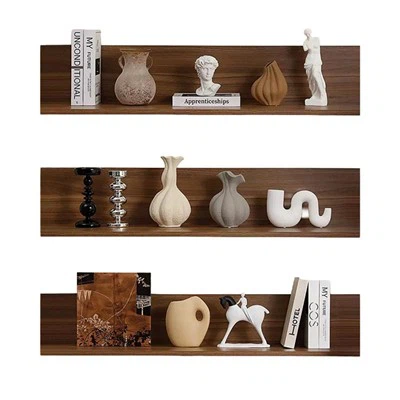
The use of natural materials like wood and stone can create a sense of warmth and connection to the earth, while bright, colorful sculptures can lift the mood and add a sense of playfulness. The layout and design of the space can also influence how people feel. A secluded, peaceful garden with hidden sculptures can provide a sense of retreat and privacy, while an open, spacious landscape with large – scale sculptures can inspire a feeling of awe and wonder.
Safety Signs As a supplier of sculptural landscapes, understanding these aesthetic principles is crucial for creating projects that not only meet but exceed our clients’ expectations. Whether you’re looking to transform a small urban courtyard or a large public park, the right combination of sculptures and landscape design can make a profound difference. If you’re interested in learning more about our sculptural landscape solutions or are considering a project of your own, I invite you to reach out for a discussion. We’re passionate about bringing your vision to life and creating spaces that are both beautiful and meaningful.
References
- "Landscape Architecture: A Manual of Site Planning and Design" by Norman T. Newton
- "Sculpture in the Landscape" by Mary Miles
- "The Art of Landscape Design" by Thomas D. Church
Hangzhou Ouyue Identification Engineering Co., Ltd.
As one of the most professional sculptural landscapes manufacturers and suppliers in China, we offer a wide range of products with superior quality. Please rest assured to wholesale customized sculptural landscapes at competitive price from our factory. Contact us for quotation.
Address: Fengdu Industrial Park, Pingyao Town, Yuhang District, Hangzhou City, Zhejiang Province
E-mail: 18668005627@163.com
WebSite: https://www.ouyuelogo.com/
