If you’ve ever stood in a ski shop staring at a wall of helmets, you’ve probably noticed the biggest, bulkiest models labeled “backcountry” right next to sleek, tight-fitting resort helmets. For years, I got the same question from customers, friends, and even new employees at our ski helmet company: Are backcountry ski helmets actually different, or is that just marketing fluff? As someone who’s spent more than a decade designing, testing, and selling these helmets, I can tell you—it’s way more than marketing. The gap between resort and backcountry helmets comes down to three non-negotiable needs: movement, weather, and the type of risk you’re actually facing when you ski away from the lifts. Ski Helmet
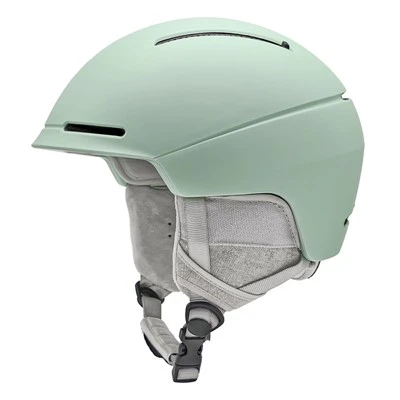
Let’s start with the basics most people miss: what a resort helmet is built for. Resort skiing is predictable. You’re on groomed runs, within a few hundred yards of a ski patrol hut, and your only major risks are the occasional collision with another skier or a tree you didn’t see. That means resort helmets prioritize a few key things: lightweight enough to wear all day comfortably, good ventilation for long, slow lifts, and enough impact protection to handle the hard, flat crashes common on packed resort snow. Most resort helmets use a single piece of expanded polystyrene (EPS) foam, the same stuff you see in bike helmets, paired with a hard polycarbonate shell that resists scrapes on groomed snow. It works perfectly for its intended use—for 99% of skiers who never step foot off the marked slopes, a resort helmet is all you need.
Backcountry skiing is a totally different story, and that’s where the divergence starts. When you’re out of bounds, you’re not just skiing on packed snow. You’re on wind-scoured ridges, deep powder rolls, and variable snowpack that can be soft one minute and ice the next. Your crashes aren’t just with other skiers or trees—they’re with ice, rock, or even the hard, frozen underlayer of a cornice. The risks are also less predictable: if you crash in a remote zone, it could take 45 minutes or more for rescue teams to reach you. That means your helmet’s impact protection has to work for more than just one type of fall.
A big difference is the foam core. Many backcountry helmets don’t use standard EPS foam—they use something called expanded polypropylene (EPP) foam, or a mix of EPP and EPS, to handle higher-speed, more irregular impacts. EPP is denser than EPS, so it absorbs more energy from hard, uneven crashes—like hitting a rock at 30 mph or falling sideways onto an ice shelf. Resort helmets often only use EPS, which is fine for the slower, flatter falls common on groomers. But for backcountry, that extra EPP layer isn’t a luxury—it’s a safety feature we’ve tested on hundreds of test runs over the years.
Then there’s movement, which is the single biggest complaint we hear from skiers who try to wear a resort helmet in the backcountry. When you’re skinning uphill, navigating tight tree lines, or doing a split turn to get over a ridge, you’re moving your head more than you do on the resort. Resort helmets are designed to sit tight and stay put on flat lifts, with thick padding that cushions your head during idle moments. That padding can get bulky and hot when you’re hiking for an hour or more. Backcountry helmets fix this with two key design choices: first, less bulky, moisture-wicking liner padding that doesn’t trap sweat during activity, and second, a ventilation system that’s actually adjustable for fluctuating effort. On a slow, cold skin up, you can close vents to keep warmth in; when you’re sweating during a steep climb, you can open them fully to let heat escape. We’ve even added a small “chamois zone” on the back of our helmets, right where your helmet strap rests, to prevent chafing during all-day skin trips—something no resort helmet I’ve ever seen includes.
Another make-or-break detail for backcountry helmets is compatibility with avalanche safety gear. If you’re venturing into remote terrain, you’re almost certainly carrying a beacon, probe, and shovel. But did you know your helmet can interfere with that gear? Standard beacon antennas are designed to sit on the back of your neck, but a thick, hard resort helmet shell can block signal if it’s too close. Most backcountry helmets have a recessed notch or a thin foam strip along the back to leave space for your beacon antenna to sit flush against your neck—no blockage, no lost time during a rescue. We’ve even tested this ourselves: last year, a pro skier on our team had a close call in the backcountry, and his helmet’s notch let his beacon pick up a signal 20 yards away faster than a friend wearing a standard resort helmet, which took nearly twice as long to detect the signal. That’s not a small difference when every second counts during an avalanche search.
Weather resistance is another area where backcountry helmets outperform resort models, but not in the way you’d expect. Resort helmets are built to handle occasional rain or snow on the slopes, so they’re water-resistant but not waterproof. Backcountry skiers often spend hours in subzero temperatures, wind, and blowing snow—conditions where water can seep into a helmet’s padding and freeze, turning a comfortable layer into a stiff, cold barrier that gives you a headache. That’s why backcountry helmets use sealed vent covers that snap shut tightly, instead of the flimsy elastic covers on most resort helmets. We test our helmets in wind tunnels at up to 50 mph, simulating the wind chill of a 10,000-foot ridge, and seal every vent to keep cold, wind-driven moisture out. We also add a thin, flexible rubber edge along the lower perimeter of the helmet to block snow from creeping in when you’re riding powder—something that’s never been a priority for resort brands, where powder days mean waiting for lifts, not skiing through waist-deep snow on a wind-blasted ridge.
Wait, but what about weight? Backcountry skiers are obsessed with weight—every ounce matters when you’re carrying 10 pounds of avalanche gear on your back for a full day of skinning. So why don’t backcountry helmets weigh less than resort helmets? It’s a trade-off, and one we’ve worked hard to perfect. Resort helmets can be lighter because they use thinner, simpler foam and less durable shells, but that means they don’t hold up to the rough impacts and cold weather of backcountry. We’ve found that a 15-ounce backcountry helmet is actually better than a 12-ounce resort helmet when you’re out in the mountains—because the lighter one will fail on a hard fall, or the foam will crack after 50 days of cold, variable snow. We use carbon fiber-reinforced plastic for the shell on our top backcountry models, which is lighter than standard polycarbonate but just as tough, so we cut weight without sacrificing protection.
I get it—if you’re a casual skier, dropping $100 on a resort helmet makes total sense. If you only ski on weekends at the local mountain, never venture past the sign that says “Area Closed,” a backcountry helmet is overkill. But if you’re someone who’s starting to explore terrain outside the lifts, or you’re planning a backcountry trip for spring break, that extra $50 or $100 is an investment in safety that can’t be measured on a scale or a shelf.
At our ski helmet company, we’ve designed every model with that balance in mind. We don’t just add a “backcountry” label and call it a different product—we test every helmet in the same conditions our customers will face: high winds, hard ice, long skin trips, and remote rescue scenarios. We’ve had skiers come back to us saying that switching to a backcountry helmet prevented a concussion after a fall that would have left them with a headache in their old resort helmet. That’s the difference between the two: resort helmets are for the predictable, backcountry helmets are for the unknown.

If you’re looking to gear up for your next backcountry adventure, we’d be happy to help you find the right fit for your style, budget, and terrain. Our team of testers and designers has decades of experience in the mountains, so we can answer any questions you have about protection, weight, or compatibility with your avalanche gear. Whether you’re a beginner who’s just starting to skin uphill or a seasoned pro who’s tackled backcountry trips across the Rockies, we can find a helmet that works for you. Reach out to our team to discuss your needs and explore the right options for your next trip.
ABS Shell Ski Helmet References
- International Organization for Standardization. ISO 17249:2013, Protective clothing for skiers – Helmet for alpine skiing and snowboarding. 2013.
- American Society for Testing and Materials. ASTM F2040-19, Standard Specification for Protective Headgear Used in Snow Sports. 2019.
- Backcountry Safety Institute. "Gear Considerations for Remote Mountain Skiing." 2022.
- Journal of Sports Safety and Equipment. "Impact Performance of Foam Core Materials in Alpine Ski Helmets." Vol. 8, No. 2, 2021.
Spirit Sports (HK) Co., Ltd.
We are one of the most professional ski helmet manufacturers and suppliers in China. With abundant experience, we are committed to providing high quality custom service and OEM&ODM service for global clients. Please feel free to wholesale bulk high quality ski helmet at competitive price from our factory.
Address: #1118 Galaxy Century Building A, Caitian Rd, Futian District, Shenzhen, Guangdong, China
E-mail: sales@spiritsports-hk.com
WebSite: https://www.helmet-supplier.com/
