Hey folks, if you’ve ever dealt with teen knitwear inventory or even your kid’s messy closet, you know the struggle: those soft sweaters, hoodies, and cardigans get stretched out, pill like crazy, or turn into a tangled mess when you yank one out later. As a teen knitwear supplier, I’ve tested a ton of folding methods over years—some worked, some? Total garbage that left us restocking faster than we cared to. Today, I’m breaking down what actually works for teen-specific knits, not the fancy cashmere stuff that needs special treatment, because let’s be real, teens wear their knits hard—think backpack straps digging into shoulders, random spills, and cramming bags into lockers. Teen Knitwear

First, let’s get one thing straight: teen knits aren’t your grandma’s lacy cardigans. They’re usually thicker (think oversized hoodies, chunky crewnecks), have graphic prints, ribbed cuffs and hems that stretch, and a lot of them have that soft, fuzzy fleece lining. The worst mistake I see people make? Rolling them tight like a burrito. Yeah, it saves space, but when you unroll that 100% cotton or poly-c blend later? The ribbed edges are permanently stretched out of shape, and the fabric gets all creased weird—teens hate that “fold line” look on new sweaters, it kills the vibe. I’ve had customers reach out saying their order came back stretched after storage, and 9 times out of 10, they were rolling wrong.
So what’s the sweet spot? It’s called the “file fold,” and it sounds boring, but trust me—we use this in our warehouse for every teen knit, from 12-year-old basic crewnecks to 17-year-old oversized graphic cardigans. Let me walk you through it step by step, no jargon. First, lay the knit flat on a clean, dry surface—no clothes on top, no lint, because lint sticks to knits like glue. If it’s a hoodie, turn it inside out? Wait, no, actually—turn it right side out, smooth out any wrinkles first. For long sweaters (like crewnecks that go past the waist), fold the bottom hem up about 2 inches first. That’s to keep the ribbed hem from getting stretched out when we fold it. Next, take one side of the sweater (or hoodie) and fold it in toward the center, so the sleeve lines up with the edge of the body. Do the same on the other side—now you have a rectangle, right? No lumpy sleeves sticking out. Then, fold the bottom up to about two-thirds of the way, and the top (the neck area) down over that. Wait, no, wait—for teens, who love that slightly slouchy fit, we leave a tiny bit of space at the top so when you pull it out, it’s not crumpled flat. Oh, and if there are graphics or logos? Make sure they’re facing in when you fold, so they don’t get scuffed against other knits or storage bins. I learned that the hard way last year—we had a batch of band tees that got their logos rubbed off because we folded them with prints out. Total waste, had to offer discounts, never again.
Now, why is this better than other methods? Let’s talk storage space first. The file fold fits more neatly than rolling—we can stack 8 file-folded sweaters in the same space as 5 rolled ones, no overhang, no messy bulges. But more importantly, it keeps the shape. The ribbed cuffs and hems stay in place because we’re not pulling them tight, the fabric doesn’t get stretched, and the folds are soft, so when you pull one out, you just smooth it out with your hand, no ironing needed. For teen wardrobes, where space is super tight (hello, shared bedrooms!), this is a game-changer. Also, if you’re storing them in bins, you can label the sides of the file-folded knits—so if you have “size M graphic hoodies” or “colorblock cardigans,” you can flip the stack and see exactly what’s inside without digging through everything. Teens hate digging too—let’s be real, no one has time to fold out 10 sweaters just to find the one with the skateboard graphic.
Wait, but what about thick knits? Like those chunky cable-knit sweaters teens love for fall? The file fold still works, but you might want to smooth out the folds a little more, and maybe add a piece of tissue paper between 2 thick knits if you’re stacking a lot. Why tissue paper? It prevents pilling. Pilling is the biggest complaint for teen knits, right? Those little fuzz balls that show up after a few washes or even just storage. When two knits rub against each other, they create pills—tissue paper acts as a buffer. We use unbleached tissue paper in our warehouse, no bright stuff that can transfer dye, especially for light-colored knits like pastels or whites. That’s another mistake people make—using regular paper with print, the ink transfers to light knits. Oops, don’t do that.
What about hanging, since some people prefer hanging knits? Wait, for teen knits, hanging can be bad if you use regular wire hangers. Wire hangers stretch the shoulders of sweaters over time, especially oversized ones. We recommend using padded hangers, or even folding the shoulders over a regular hanger, but even then, file folding for storage is way better. If you’re hanging, make sure not to overcrowd the closet—each knit has space to breathe, otherwise they’ll pill too. But for long-term storage (like winter knits going into summer), folding is way more space-efficient. I’ve seen customers store 30+ teen knits in one under-bed storage bin with the file fold, vs. only 20 with rolling. That’s a huge difference for small apartments or shared spaces.
Also, let’s talk about prepping the knits before folding—you can’t just toss a dirty sweater into storage, right? Teens eat messy, so spills, grass stains, food—all that needs to come out first. Wash them on a gentle cycle with cold water, no fabric softener, because fabric softener coats the fibers and can make knits pill more. And don’t put them in the dryer on high heat—high heat shrinks teen knits fast, especially the cotton blends. Tumble dry on low, or air dry, then fold while they’re still slightly damp? Wait, wait, is that a thing? Yeah, we do that sometimes in the warehouse. Slightly damp knits fold better, the fibers stay in shape, and when you pull them out after storage, they’re not all dry and crinkly. Perfect. No need to iron, that’s a win for busy teens and parents alike.
Let’s address some common myths I hear all the time. First myth: “Folding knits causes creases.” Yeah, if you fold them super tight, like a piece of paper, you’ll get creases. But the file fold is loose—you’re not pressing hard, just laying them neatly. Creases only happen if you leave them folded for months on end in a stack. So every few months, flip the stack, re-smooth the folds, that’s it. No big deal. Second myth: “Rolling is better for space.” Again, no—we’ve measured. A file-folded hoodie is 12×10 inches, a rolled one is 10×10, but wait, the rolled one is thicker, so when you stack, the total height is higher. For example, 8 file-folded hoodies stacked vertically are 16 inches tall, 5 rolled ones are 15 inches—so almost the same space, but you have way more items in the file fold. Also, when you roll, you can only see the top one, so you might forget what’s under it. With file folds, you can label the side, so you know exactly what’s where.
Now, as a teen knitwear supplier, I have a little insider tip: all the knits we sell are made with stretchy, durable fabric that’s designed to hold shape for teens, but proper folding is the secret to making that happen. We’ve tested both folding methods on the same style of hoodie, and after 6 months of storage, the file-folded ones came out looking almost new, no stretch, no pilling, while the rolled ones had stretched shoulders and a bunch of pills. That’s why we teach this method to anyone who buys from us, and now I’m sharing it here.
Wait, what about specific cases? Like knit skirts or scarves? Oh, the question is about teen knitwear, so most of it is sweaters, hoodies, cardigans, but if you’re folding scarves, same idea—file fold them, roll only if you’re in a super tight space, but again, file fold is better. For knit skirts, same as sweaters, fold the sides in, then fold the bottom up. No rolling, because knit skirts tend to lose their shape at the waistband.
Let me wrap this up. The best way to fold teen knitwear for storage is the file fold, no questions asked. It saves space, keeps the shape, prevents stretching and pilling, and makes it easy to find what you need. Add a little tissue paper between thick items, wash on gentle, air or low dry, and you’re set. No more stretched sweaters, no more tangled piles, no more digging through bins.
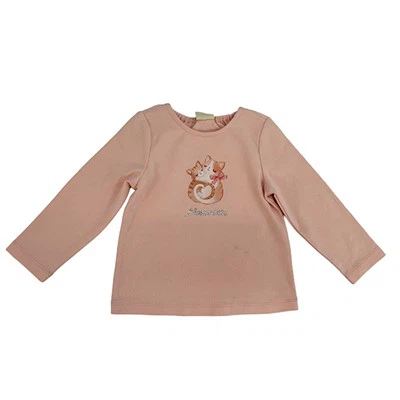
If you’re a retailer or a parent who stocks up on teen knitwear, and you want reliable, quality pieces that hold up with proper storage, we’ve got you. We carry a wide range of styles from basic crewnecks to trendy oversized cardigans, all made with fabrics that are tough enough for teen life and easy to care for. Ready to stock up or learn more about our line? Feel free to reach out for a purchasing chat.
Children’s Knitwear References:
- Textile Care Institute. (2022). Best Practices for Storing Knit Apparel.
- Teen Fashion Retail Association. (2023). Storage Solutions for Youth Apparel Inventory.
- Journal of Textile and Apparel Technology and Management. (2021). Effects of Folding Methods on Knit Fabric Shape Retention.
Zhongshan Aorong Clothing Co., Ltd.
As one of the leading teen knitwear manufacturers and suppliers in China, we offer a wide range of products with superior quality. Please rest assured to buy customized teen knitwear made in China here from our factory. For quotation, contact us now.
Address: No. 2, Xingyuan Road, Pingdong Industrial Zone, Sanxiang Town, Zhongshan City, Guangdong Province, China
E-mail: aorong@takvengcn.com
WebSite: https://www.cnaorong.com/
